Circuit and resistor calculators
Start with the basic circuit operating point, then follow the workflow into resistor power, LED current limiting, voltage-divider loading, and pull-up sizing.
Choose the calculator from the design task
Use this hub as a workflow map, not an alphabetical list. Work from the electrical operating point toward power, loading, and interface limits.

Ohm's Law Calculator
Start from voltage, current, resistance, or power to sanity-check a circuit operating point.
When to use it: Use first when you need the basic electrical operating point before checking power, divider current, or load current.
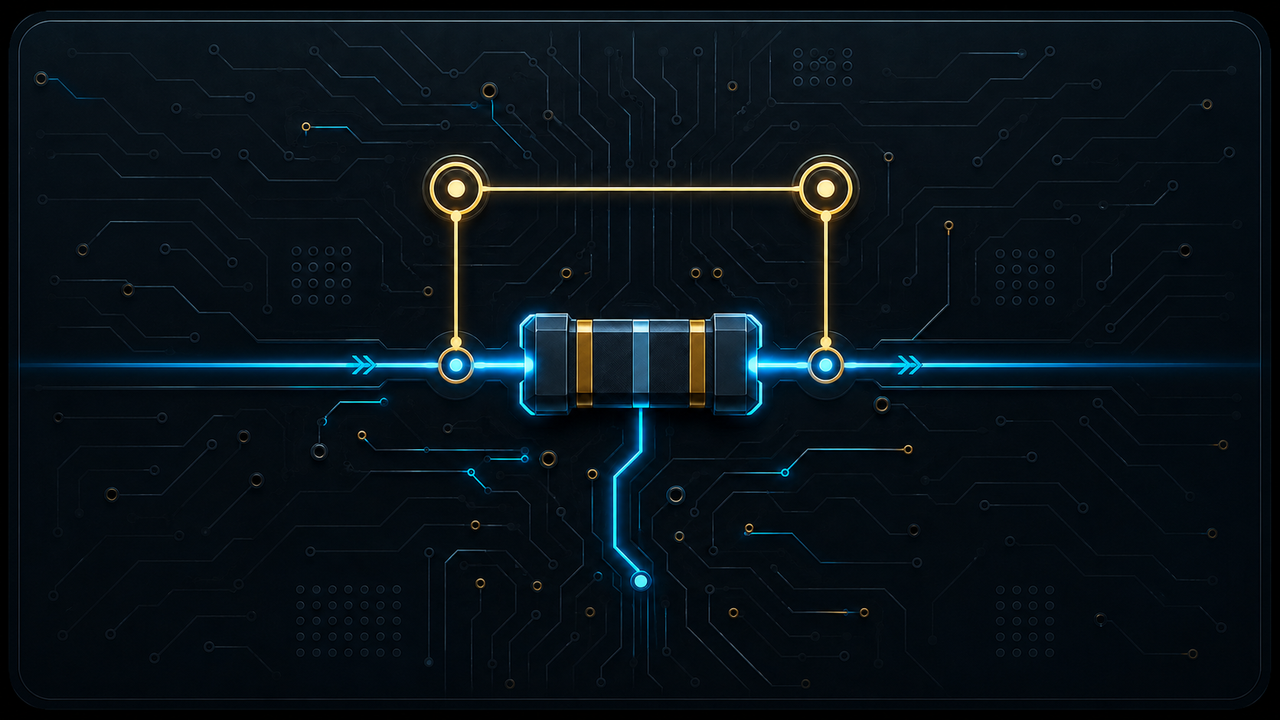
Resistor Power and Wattage Calculator
Convert voltage, current, or resistance into resistor dissipation and a practical wattage check.
When to use it: Use after calculating current or voltage drop to choose a resistor rating and derating margin.
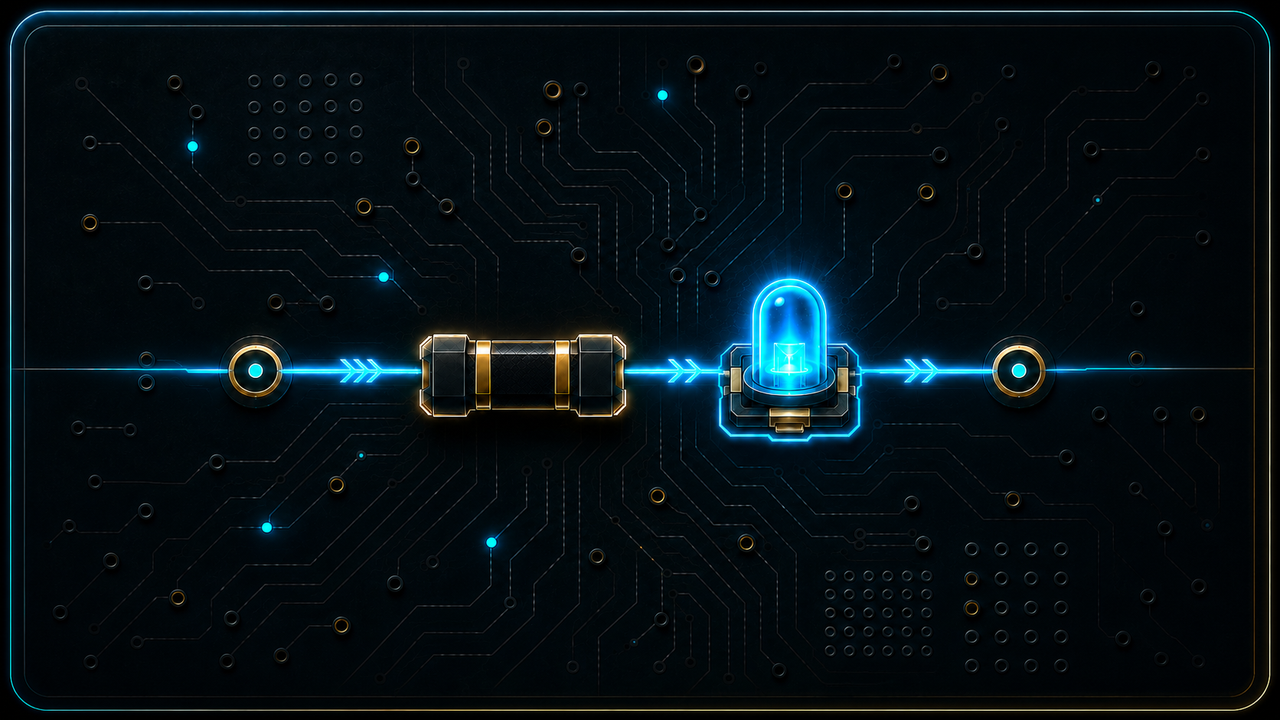
LED Series Resistor Calculator
Size a current-limiting resistor for a single LED and check resistor dissipation.
When to use it: Use for indicator LEDs and simple current-limited LED circuits before checking power margin.
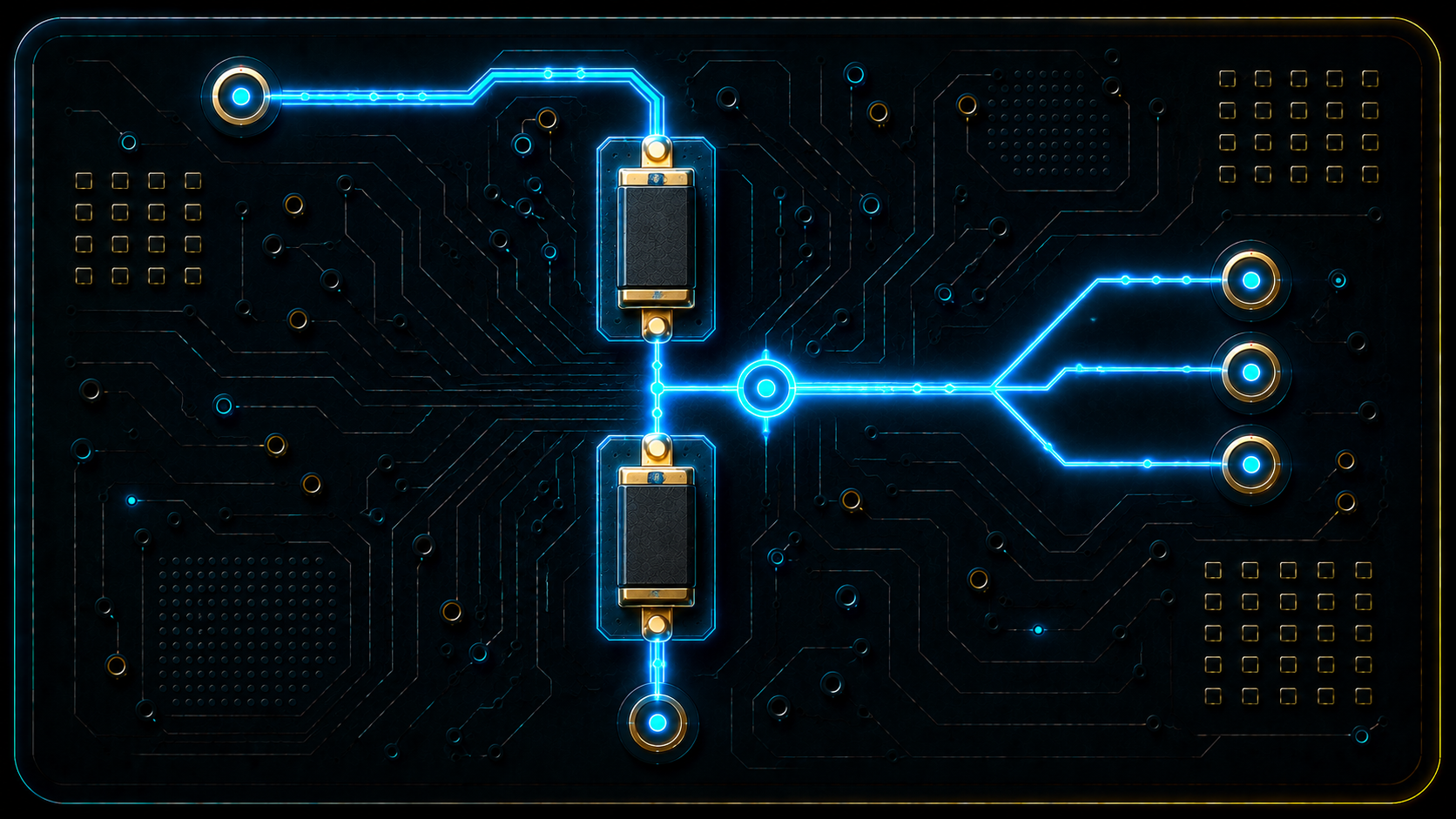
Voltage Divider Calculator
Calculate ideal two-resistor divider output, divider current, and resistor power.
When to use it: Use for the first-pass divider ratio when the next stage input impedance is high enough to ignore loading.

Loaded Voltage Divider Calculator
Compare ideal and loaded divider output when a finite input resistance changes the result.
When to use it: Use after the ideal divider check whenever the divider drives an ADC input, bias network, or other finite load.
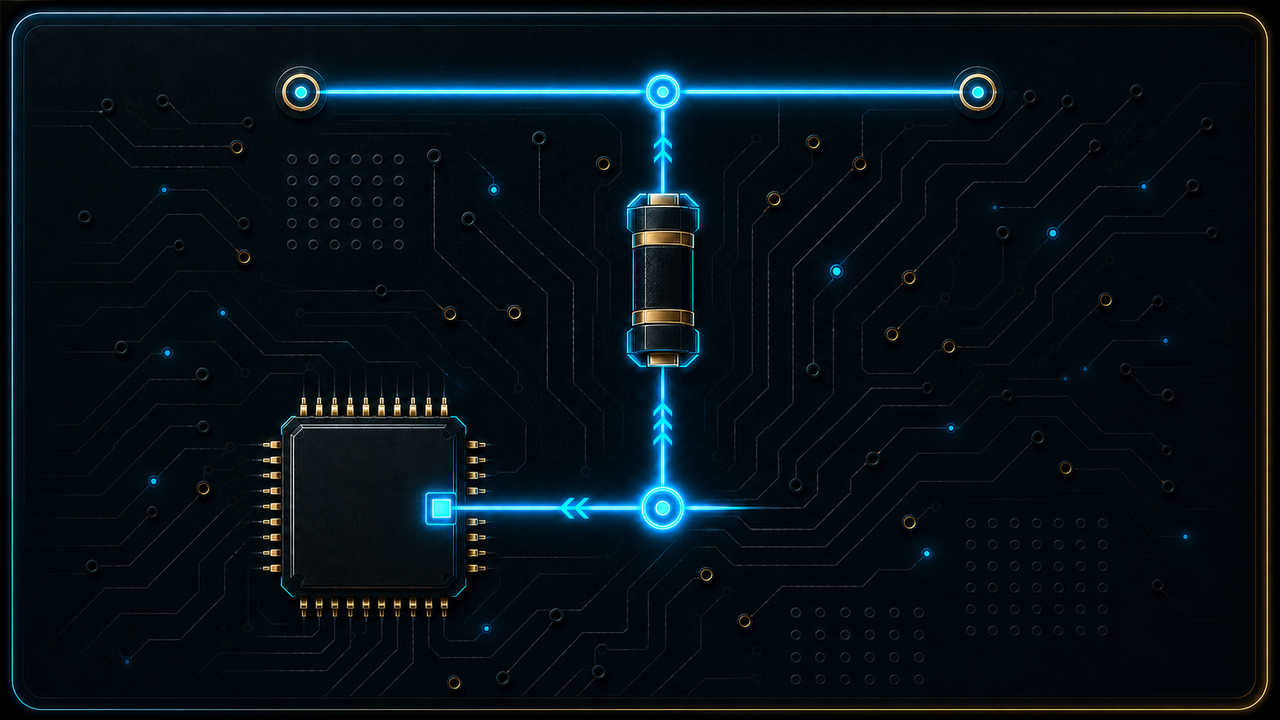
Pull-Up Resistor Calculator
Size pull-up resistance from pull-up voltage, low-level voltage, and sink-current limits.
When to use it: Use for open-drain outputs, reset lines, logic inputs, and static low-level current checks.
Common circuit and resistor workflows
Follow these paths when a single calculation is only the first design check.
Basic resistor operating point
LED current limit
Divider design
Open-drain or logic pull-up
Circuit and resistor explainers
Use these guides when the design question is about assumptions, limits, or the next check after the calculator result.
Ideal vs loaded voltage divider behaviour
Understand the difference between an ideal voltage divider and a loaded voltage divider, including when load resistance changes the output.
Voltage divider tolerance and worst-case output error
Estimate how resistor tolerance and loading affect voltage-divider output error before using the divider as a reference or ADC input.
LED resistor sizing and resistor power derating
Size an LED series resistor and check resistor dissipation, current margin, and practical wattage selection.
Resistor power, wattage, and derating margin
Understand resistor power dissipation, wattage selection, and why calculated power is not the same as a safe package choice.
Pull-up resistor value trade-offs for logic inputs
Choose pull-up resistor values by balancing sink current, logic-low margin, leakage, rise time, and static power.
What this hub does not replace
These calculators are design-support tools for nominal and documented engineering checks. Real hardware still needs tolerance review, datasheet limits, thermal derating, measurement, and circuit context before release.